Vegan and cruelty-free labels explained
By Hannah
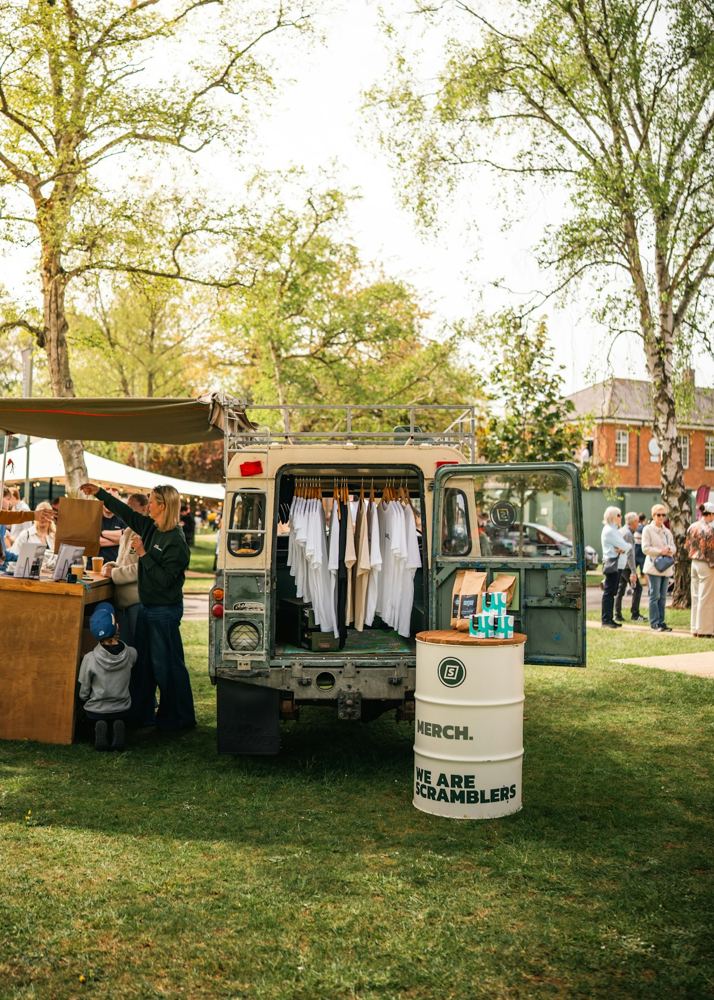
Walk round any vegan market and you will see a lot of small logos: sunflowers, rabbits, the word "vegan" in a dozen fonts. Some are independent certifications, others are just a brand's own claim. Here is how to tell them apart.
Vegan certification
The best-known vegan trademark in the UK is the sunflower logo of the Vegan Society, the charity founded in 1944 that coined the word "vegan". Products registered with it must contain no animal ingredients and must not be tested on animals by or on behalf of the company. Other vegan certification schemes exist in Europe and work in a similar way.
Cruelty-free certification
For cosmetics and household products, the leaping bunny logo means the brand has committed to no new animal testing across its supply chain and is audited. Note that cruelty-free does not automatically mean vegan: a product can avoid animal testing and still contain beeswax, lanolin or carmine.
"Suitable for vegans"
Many supermarket products carry a simple "suitable for vegans" line or their own logo. This is the manufacturer's own claim. It is usually reliable, but it is not checked by an independent body.
Ingredients to look out for
- Food: gelatine, whey, casein, honey, shellac (a glaze), carmine (E120), some vitamin D3.
- Cosmetics: beeswax, lanolin, carmine, squalene from shark liver, collagen, keratin.
- Clothes: leather, wool, silk, down, and some glues used in shoes.
Small makers
At markets many products come from tiny businesses that cannot pay for certification. The easiest way to check is to ask. Good makers know exactly what goes into their products and are happy to explain.
A note on "natural"
"Natural", "clean" and "eco" are marketing words with no legal definition. They say nothing about whether a product is vegan, and nothing about whether it works.
For practical tips on market days, see how vegan markets work, and for food, vegan nutrition basics.