Selling at a vegan market
By Hannah
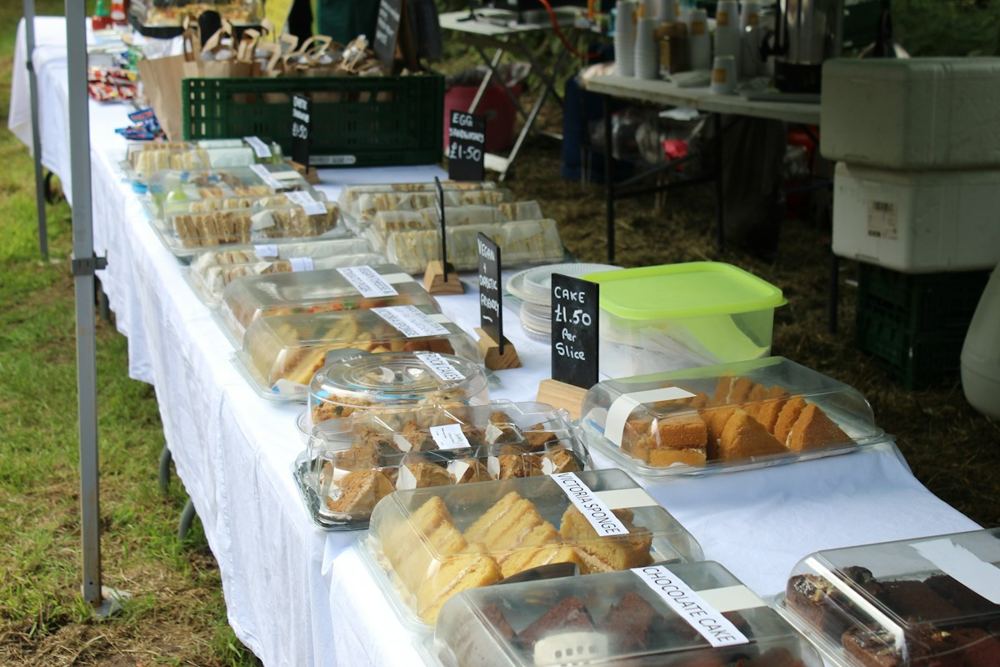
I sold cakes at vegan markets for several years before starting this site. The first season taught me more than any business course. Here is what I wish someone had told me before my first pitch.
The paperwork for food traders
Register as a food business. In England, anyone selling food regularly must register with their local council at least 28 days before they start trading. Registration is free. Your kitchen may then be inspected and given a food hygiene rating.
Food hygiene training. Most organisers ask for a basic food hygiene certificate. Online courses are inexpensive and quick.
Allergen labelling. Food packed on your premises before it is sold must show a full ingredients list with the 14 major allergens emphasised. "Vegan" does not mean allergen-free: nuts, soya, gluten and sesame are common in vegan products, and customers rely on your labels.
Be careful with the word vegan. Make sure every ingredient, including colourings, glazes and sugar, is suitable. If you use a certified trademark logo, you must be registered with the scheme that owns it.
Insurance
Almost every organiser requires public liability insurance, often for at least £1 million or more. Market trader policies also cover product liability and stock. Shop around: prices vary a lot.
Pitch fees and choosing markets
Fees range from modest amounts for a community hall table to much more for a big festival. When you compare, think about footfall and the type of visitor, not just price. A small, well-loved monthly market with regulars can be worth more than one large, expensive event.
Your stall
- Height and colour: crates and stands bring products to eye level. A tablecloth that reaches the ground hides your boxes.
- Prices: show them clearly. Many people will not ask.
- Weather: weights for every gazebo leg, clips for the tablecloth and a plan for rain.
- Card reader: charge it, and bring a cash float in coins.
What sells
Bakes, hot food and good-value treats sell well almost everywhere. Gift items do best in November and December. Products that people can eat on the spot do better in summer. Keep a notebook: after a few markets you will see a pattern.
Looking after yourself
Market days are long. Bring a folding stool, food and water, and a friend if you can, so you can take a break. Visitors notice a cheerful stallholder.
New to the scene as a visitor too? Our guide to how vegan markets work shows the day from the other side of the table, and vegan bakes that travel well has ideas for your first menu.