How vegan markets work: a visitor's guide
By Hannah
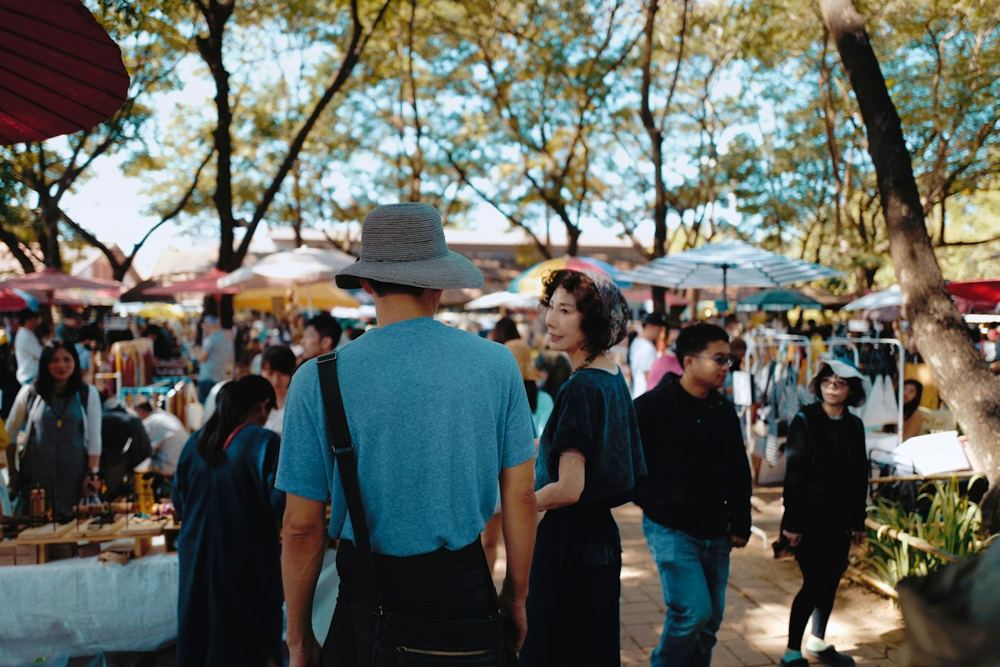
If you have never been to a vegan market, the idea can sound more niche than it is. In practice it looks like any good local market: a row of gazebos or tables, people chatting, a queue at the coffee van and someone handing out samples of cheese that turns out not to be cheese. The only difference is that everything on sale is free from animal products.
Who runs them
Most vegan markets in the UK are organised by small independent teams, sometimes a single person, who book a hall or a town square and invite traders. Some run monthly, others a few times a year. Councils, churches, community centres and pubs with big gardens are the usual hosts. Because organisers are small, dates can move, so always check the latest listing on the day before you set off.
What you will find
- Hot food: burgers, curries, loaded fries, dumplings, pies and toasties, usually the busiest stalls.
- Bakes: cakes, brownies, doughnuts and cookies, often sold out by early afternoon.
- Deli: plant-based cheeses, ferments, chutneys, oils and spreads.
- Non-food: candles, soaps, cosmetics, clothes, prints and gifts, all without animal ingredients or testing.
- Causes: animal sanctuaries and charities with information tables.
Timings and the best moment to arrive
Daytime markets typically run from around 10am to 4pm. The first hour is the time for bakes and anything in limited supply. Lunchtime is the busiest for hot food. The last hour is quieter and traders sometimes reduce prices on things that will not keep.
Paying
Nearly every trader now takes cards, but signal in halls and parks can be patchy. Bringing a little cash saves frustration if a card reader cannot connect.
Dogs, children and accessibility
Outdoor markets are usually dog friendly; indoor venues vary. Children are welcome everywhere, and many markets have a craft table or face painting at weekends. If you need step-free access, check the venue rather than the market, since the organiser rarely controls the building.
What to bring
- A couple of sturdy bags and a box for cakes.
- A reusable cup and container: many traders give a discount.
- Water, and a layer in case of wind: gazebos do not keep out much weather.
Is it only for vegans?
Not at all. Traders often say that half their customers are simply curious, or are cooking for a vegan friend. Asking questions is welcome: most stallholders make what they sell and are happy to talk about it.
Going to a larger event? Read our guide to your first vegan festival. Thinking of trading yourself? Start with selling at a vegan market, and see vegan markets in Surrey for the local scene.